•
•
•
•
•
•
•
•
•
•
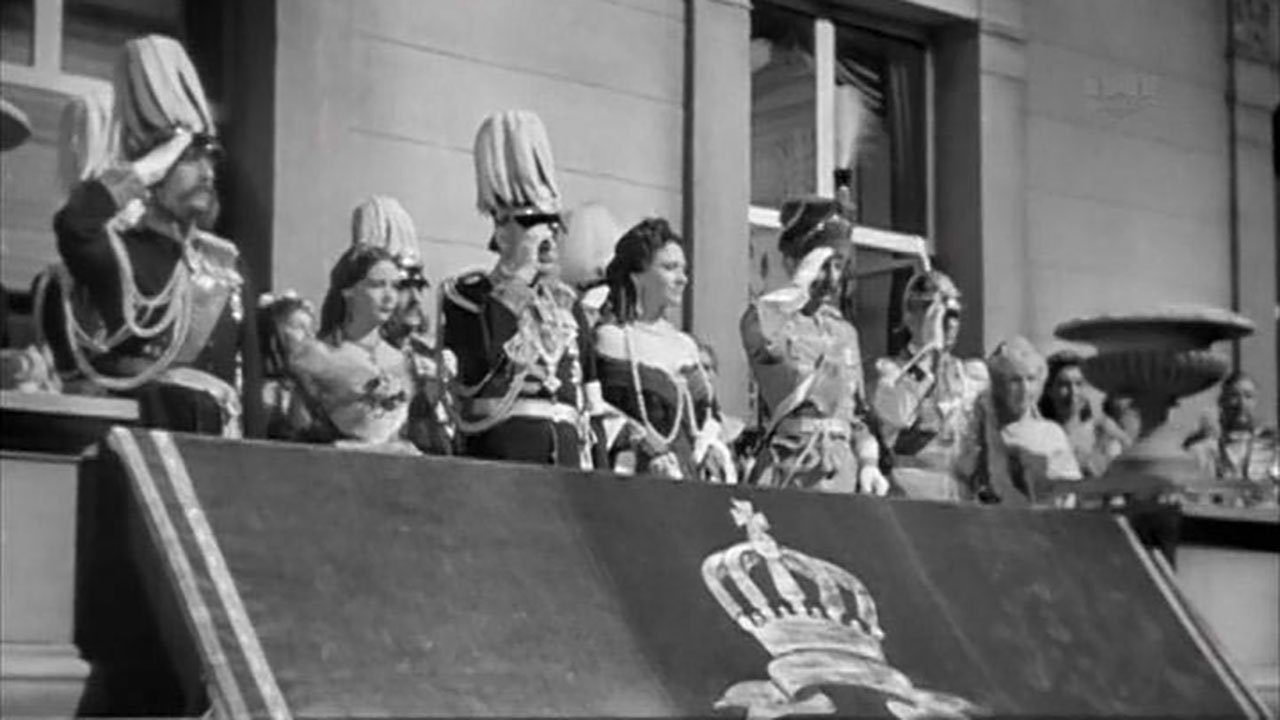
A biographical film of Otto von Bismarck, the Prime Minister of Prussia, and how he and his policies - including aggressive war - helped to unite Germany.
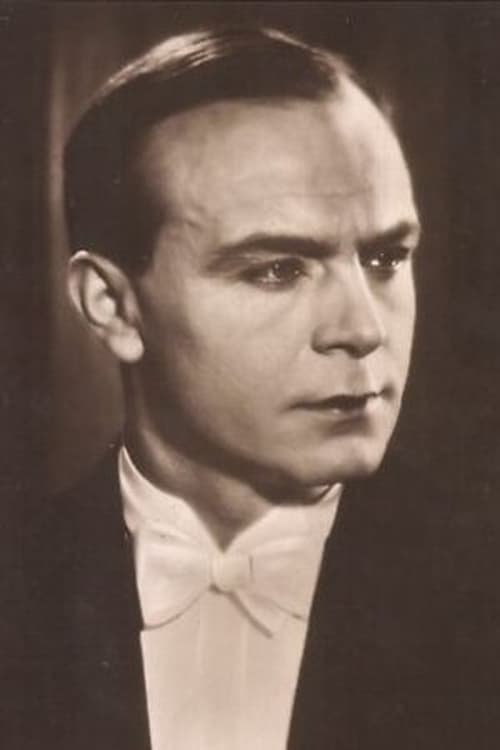
Otto von Bismarck
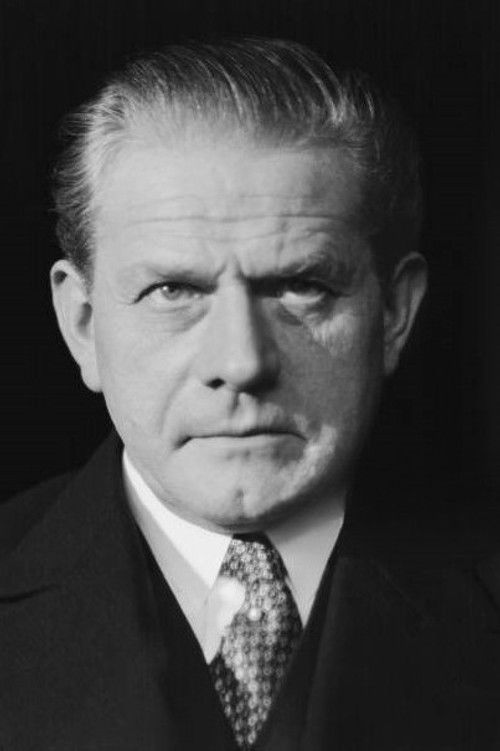
Wilhelm I.

Kronprinz Friedrich Wilhelm

Kronprinzessin Victoria
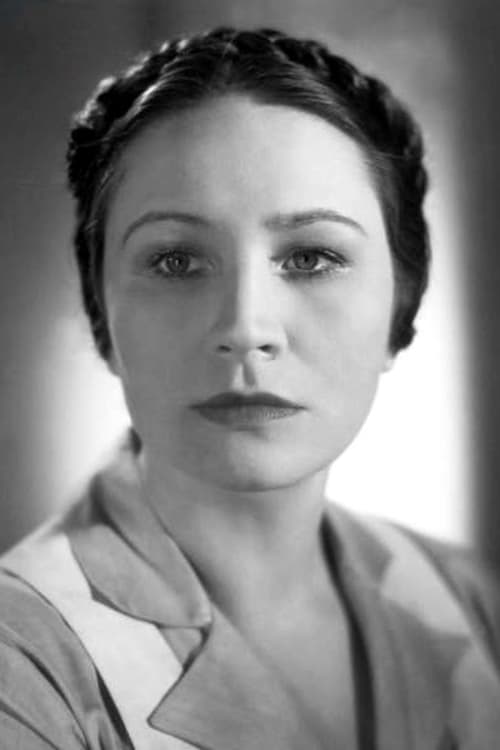
Königin Augusta

Johanna von Bismarck
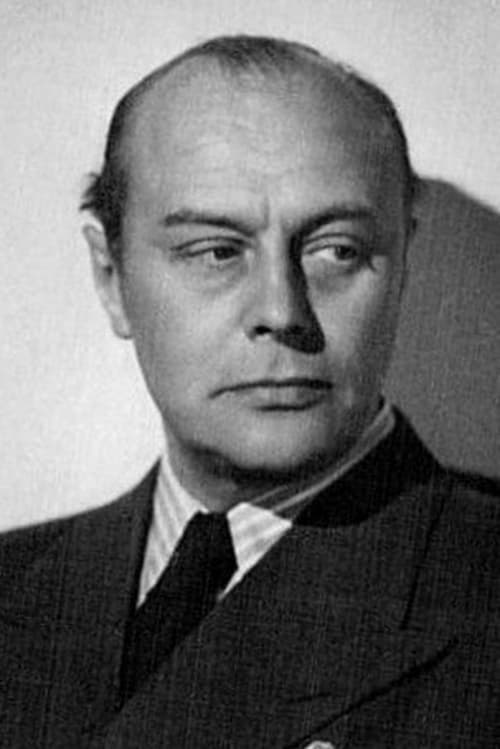
Vincent Benedetti

Prinz Friedrich Karl
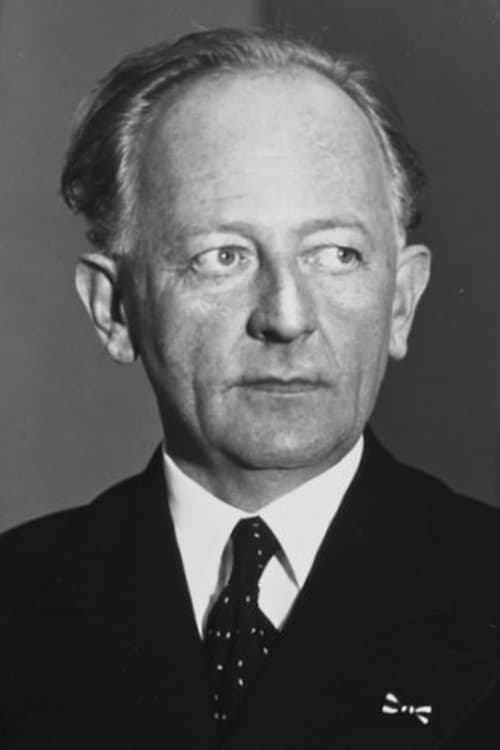
Johann von Sachsen

Franz Joseph I.
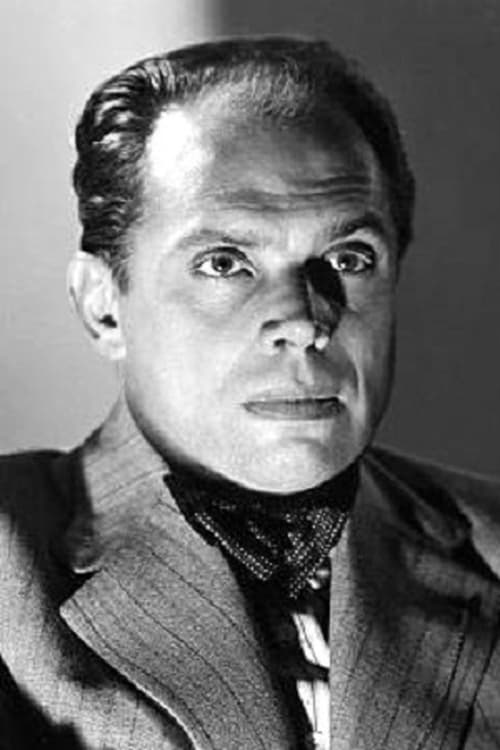
Napoleon III.
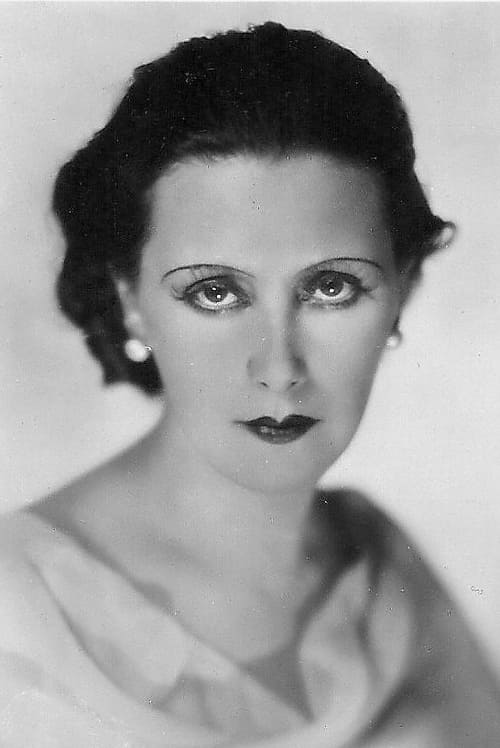
Eugénie

Friedrich von Wrangel
Aside from the fact that this was made at the height of the Third Reich - so it's underlying politic of the might of the German people and it's heroes it to be assumed, this is a rather dry and unremarkably sterile depiction of the eponymous statesman who worked with Wilhelm I of Prussia (Friedrich Kayßler) to create the German Imperial state. It tries to pack far too much over-simplified history into two hours and the portrayal of Bismarck himself by an underwhelming Paul Hartmann leaves us amidst a story of turbulent history told as if it were a child's "Janet and John" book. The complexities of the relationships between the Hapsburg Austro-Hungarian empire, Russians, French and British are all rather overlooked and certainly undercooked as we spend much of the film in audience chambers watching a vacillating king or in a prevaricating parliament where nothing seems to count for very much - until our hero arrives to convince and save the day. It's almost entirely confined to a sound-stage so what few opportunities offered us to experience the military tactics of Moltke against the Danes or the Austrians are largely confined to a map or to the inside of a tent. The ending justifies the dramatic means - and we know that there was a unified German Empire born in 1871. It's a watchable enough historical biopic, but no effort is made to develop the characters and the story is about as dry and processional as it can be. It's hard to imagine this as a successful piece of jingoism, to be honest. It's completely forgettable.
December 6, 1940
Otto von Bismarck
Wilhelm I.
Kronprinz Friedrich Wilhelm
Kronprinzessin Victoria
Königin Augusta
Johanna von Bismarck
Vincent Benedetti
Prinz Friedrich Karl
Johann von Sachsen
Franz Joseph I.
Napoleon III.
Eugénie
Friedrich von Wrangel
Aside from the fact that this was made at the height of the Third Reich - so it's underlying politic of the might of the German people and it's heroes it to be assumed, this is a rather dry and unremarkably sterile depiction of the eponymous statesman who worked with Wilhelm I of Prussia (Friedrich Kayßler) to create the German Imperial state. It tries to pack far too much over-simplified history into two hours and the portrayal of Bismarck himself by an underwhelming Paul Hartmann leaves us amidst a story of turbulent history told as if it were a child's "Janet and John" book. The complexities of the relationships between the Hapsburg Austro-Hungarian empire, Russians, French and British are all rather overlooked and certainly undercooked as we spend much of the film in audience chambers watching a vacillating king or in a prevaricating parliament where nothing seems to count for very much - until our hero arrives to convince and save the day. It's almost entirely confined to a sound-stage so what few opportunities offered us to experience the military tactics of Moltke against the Danes or the Austrians are largely confined to a map or to the inside of a tent. The ending justifies the dramatic means - and we know that there was a unified German Empire born in 1871. It's a watchable enough historical biopic, but no effort is made to develop the characters and the story is about as dry and processional as it can be. It's hard to imagine this as a successful piece of jingoism, to be honest. It's completely forgettable.

Similar to Bismarck