•
•
•
•
•
•
•
•
•
•
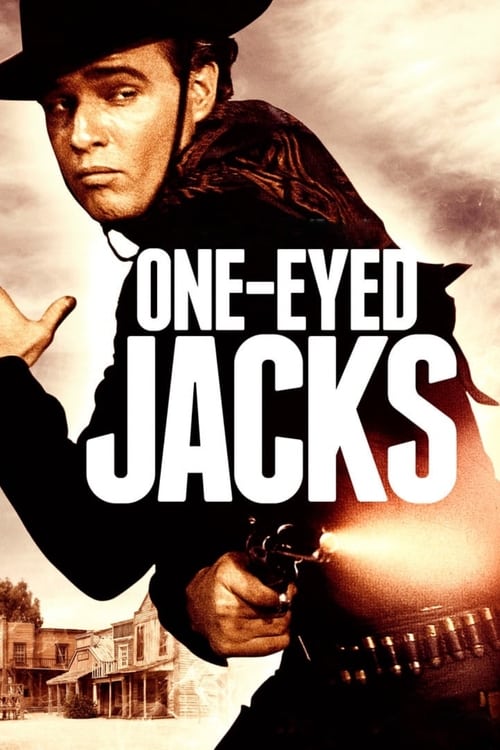
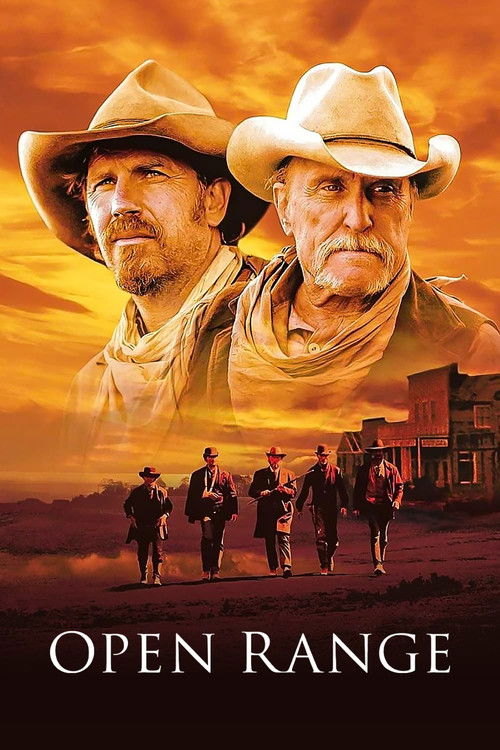
Similar to Ride the High Country
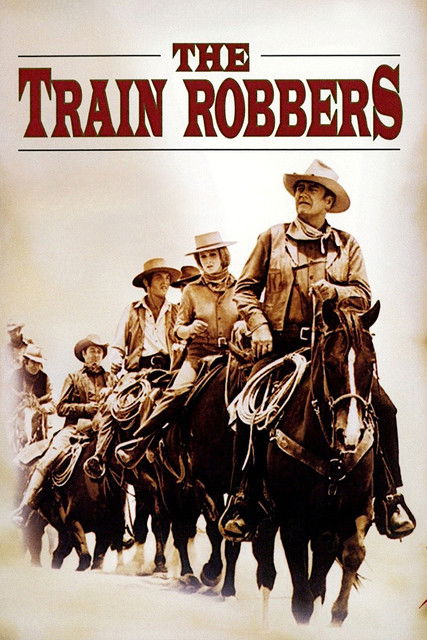
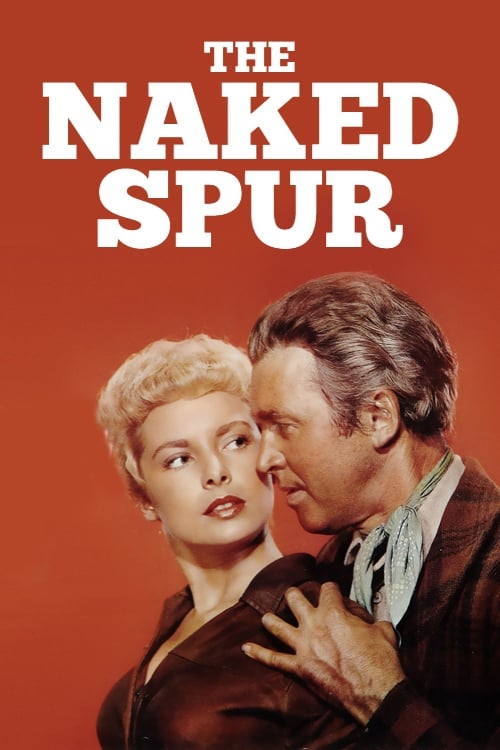
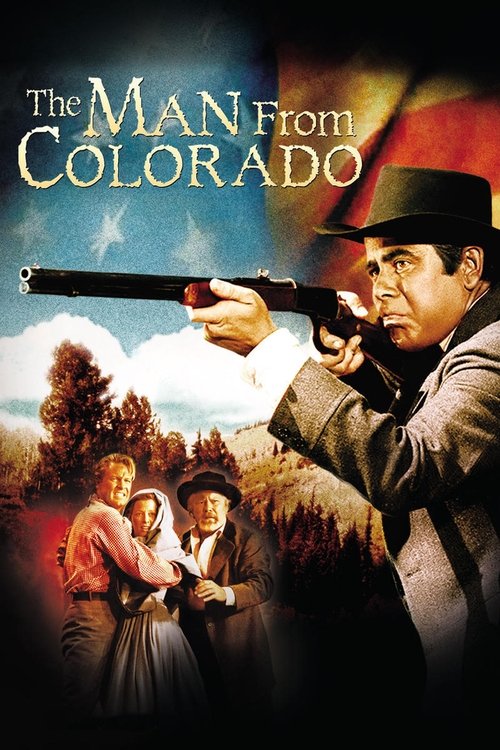
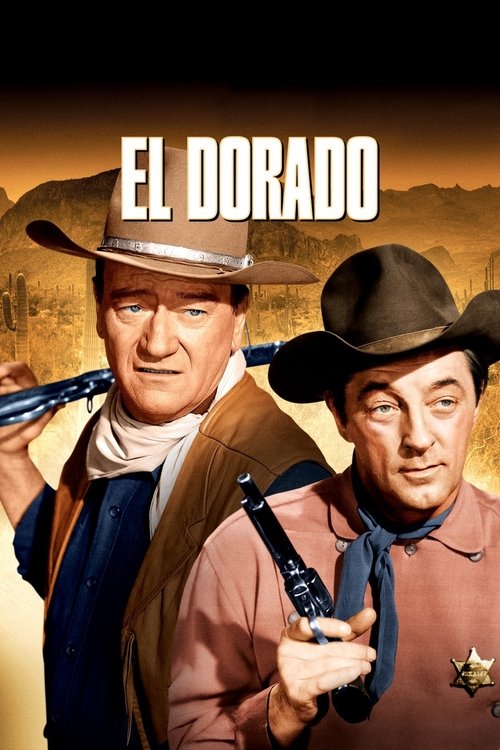


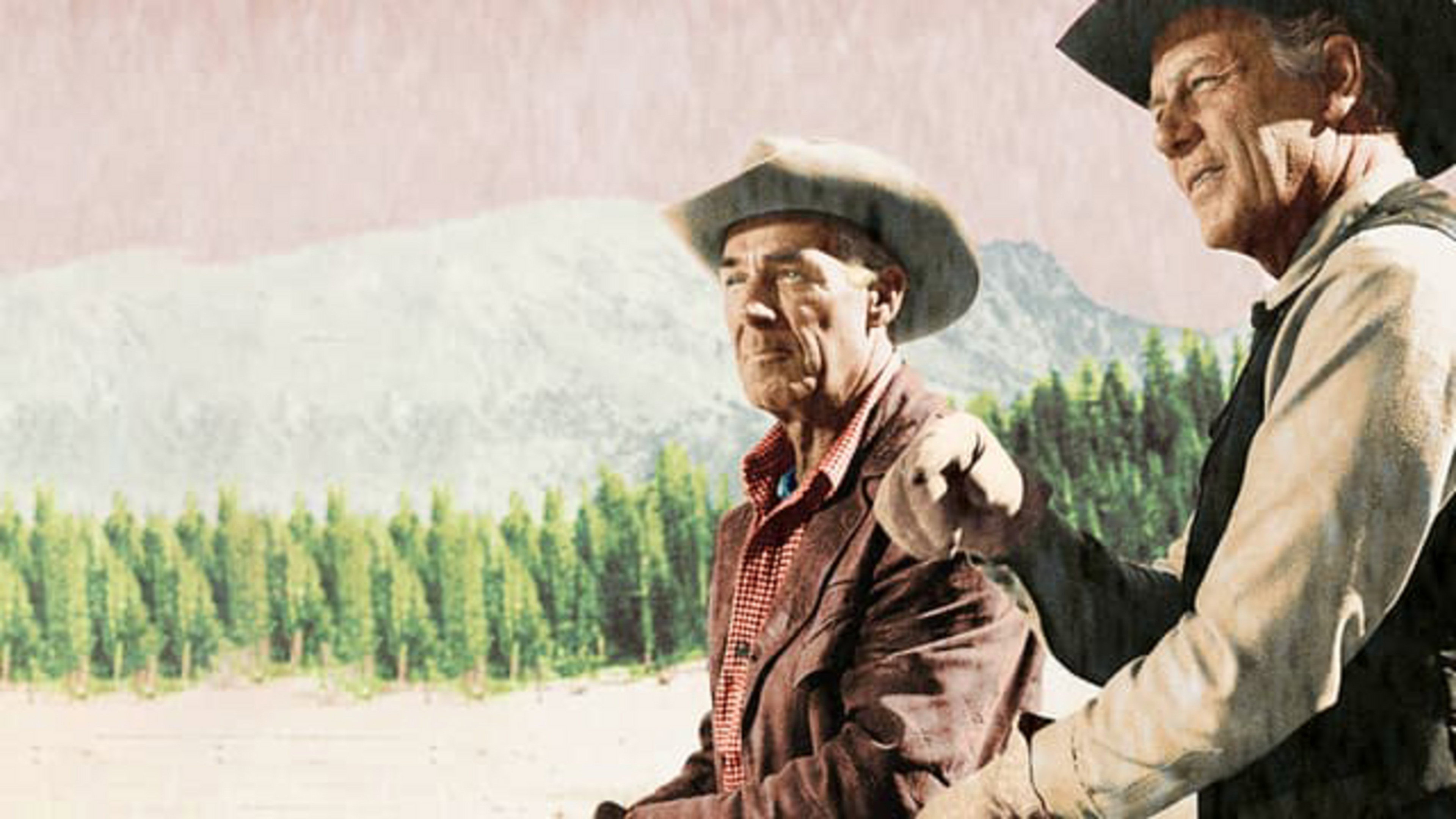
An ex-lawman is hired to transport gold from a mining community through dangerous territory. But what he doesn't realize is that his partner and old friend is plotting to double-cross him.

Gil Westrum
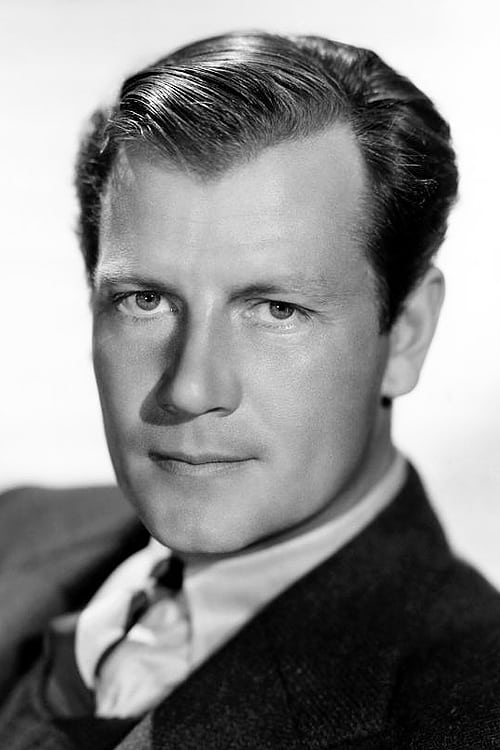
Steve Judd

Elsa Knudsen
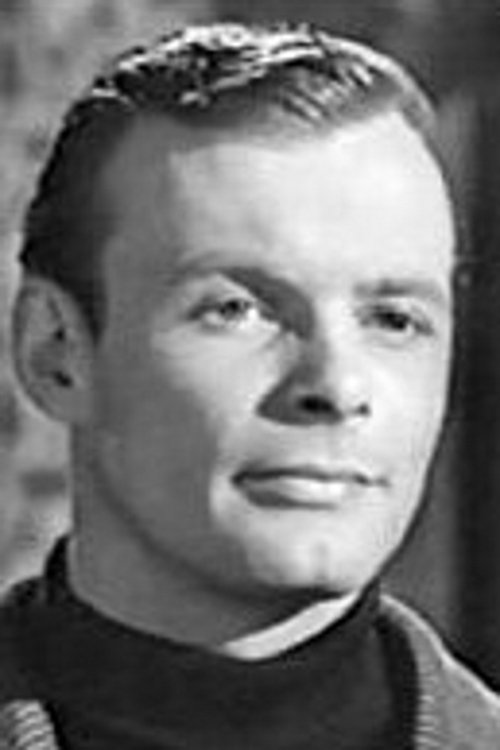
Heck Longtree

Judge Tolliver

Joshua Knudsen
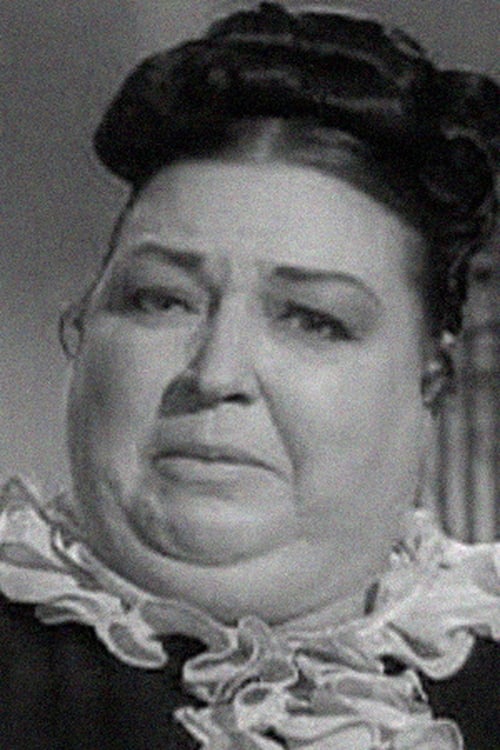
Kate
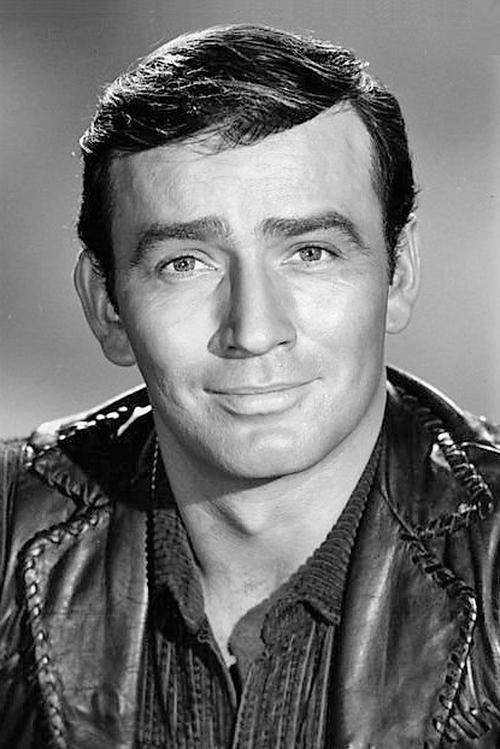
Billy Hammond
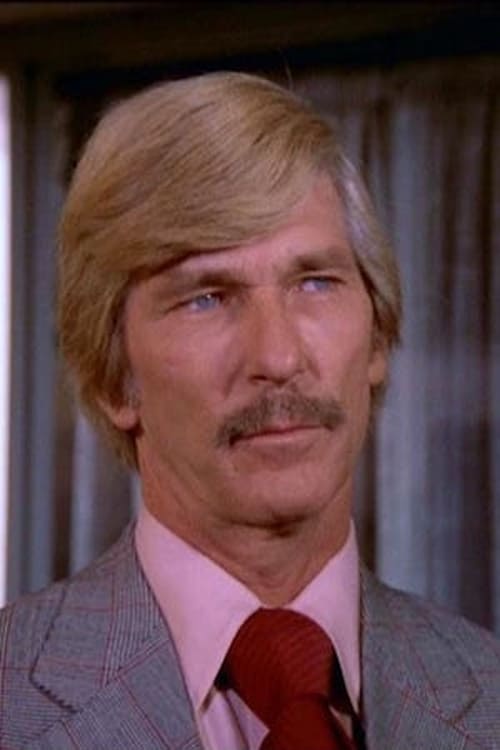
Sylvus Hammond
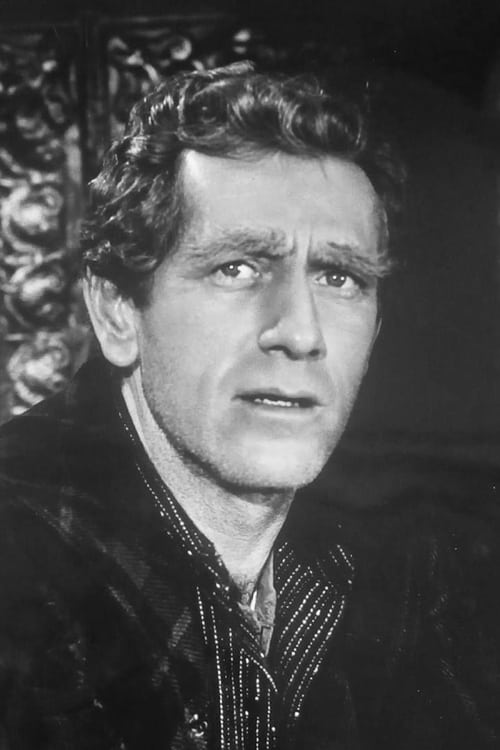
Elder Hammond
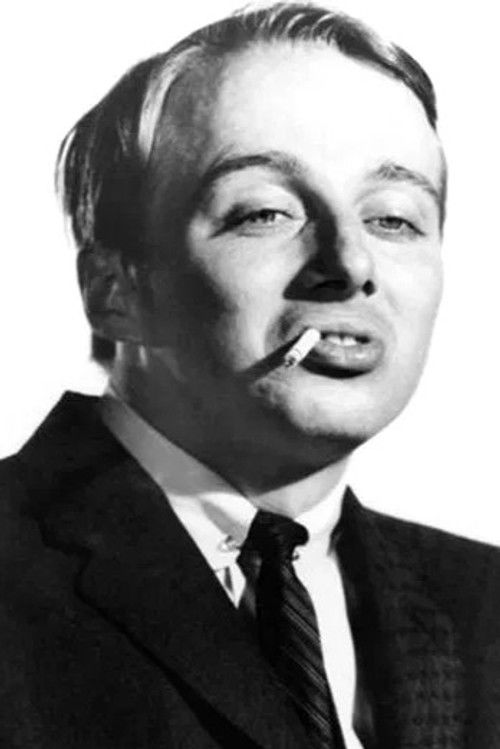
Jimmy Hammond

Henry Hammond

Miner (uncredited)
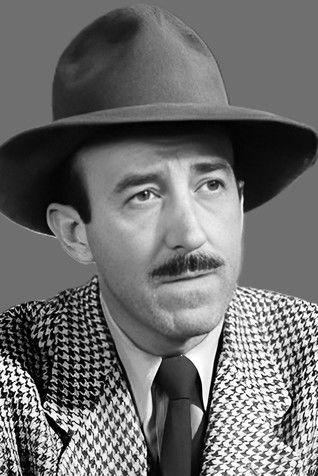
Spieler (uncredited)
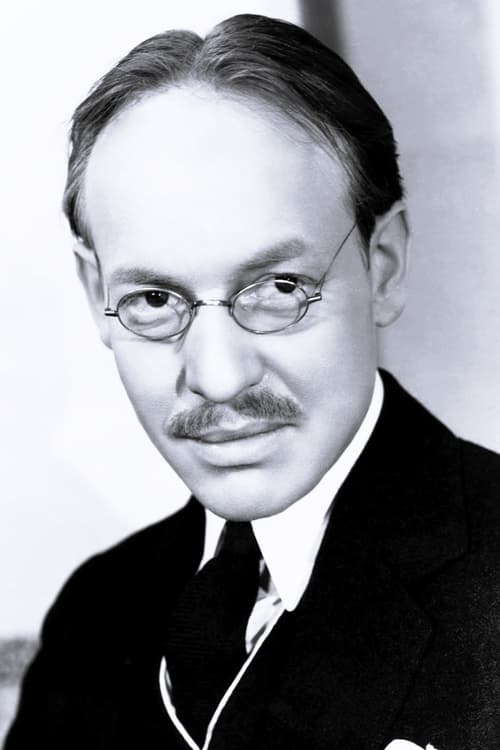
Abner Samson (uncredited)
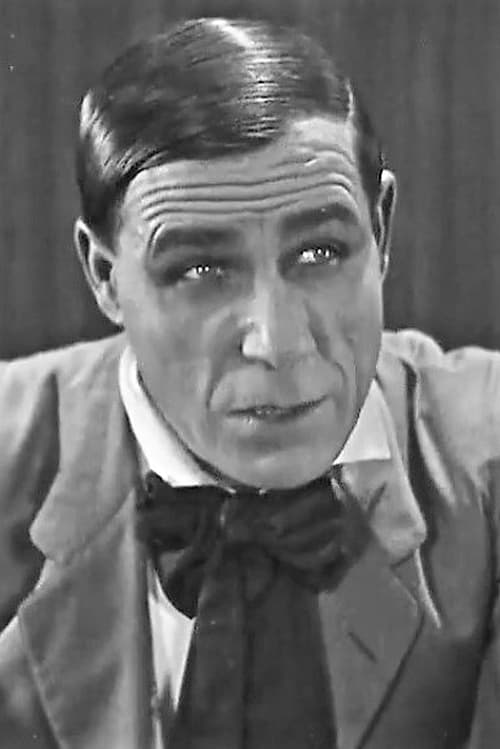
Miner (uncredited)
Revisonist splendour as Peckinpah starts his thematic obsession. "All I want is to Enter My House Justified" Sam Peckinpah's second feature film is today standing up as a must see and must own for those interested in the Western genre. The film sees ageing lawman Steve Judd land a job of escorting a gold shipment safely to a bank in Hornitos. After running into old friend, and fellow aged lawman Gil Westrun, he hires both he and his young sparky sidekick Heck Longtree to hopefully see the job through to a successful conclusion. Yet Gil has other ideas, for where Steve is upstanding and adhering to the values he has lived his life by, Gil sees this as one last chance to actually get a big payday. The journey takes a further twist as the three men meet and then save Elsa Knudsen from a brutal marriage, it's an incident that puts them all on a collision course with the Hammond brothers. What we have here is Sam Peckinpah's first film dealing with men who have outlived their time. We witness some emotionally poignant stuff as the two main protagonists know that they have aged beyond their world, yet as alike as they are, they have different ideals in how to deal with the advent of time. The masterstroke here is the casting of genre legends Joel McRea & Randolph Scott as Steve & Gil respectively. It's evident from the off that both men are identifying with their characters, with both men hitting top emotional form to fully realise the thematic heart of the story. Mariette Hartley makes her film debut as Elsa, and she fits in nicely with the quality on show behind and in front of the camera. Lucien Ballard's cinematography is gorgeous as the various California locations envelope the protagonists in a sort of elegiac way, and Peckinpah directs with his heart as well as his head. Bookended by two heart-achingly super sequences, of which the finale has rightly passed into Western genre legend, this really is a strong and beautiful film, one that simultaneously shows a truly great director was at work. For here he was left alone, and the final result is a quality Western beating far more than just a cowboy heart. The supporting cast is strong, notably Edgar Buchanan, L.Q. Jones & John Anderson, while the undervalued George Bassman provides a narratively fitting tonal music score. If there is a criticism? it's that Peckinpah doesn't let the younger characters breath, but given the film's core focus on aged men in an aged passing era, well it's easily forgiven. A precursor to The Wild Bunch for sure, but while the theme is the same for both films, this one impacts in a very different way. Highly recommended, not just for the Oater crowd, but for fans of classic cinema too. 9/10
I was never a great fan of Randolph Scott or Joel McCrea when they were churning out their standard western fayre, but putting them together here as couple of ageing veterans works really quite well. “Judd” (McCrae) used to be a marshal, but now he’s picking up work when and where he can and his latest job is to escort a gold shipment through some risky territory. He decides that he will need a bit of help so ropes in his old friend “Gil” (Scott) and his friend “Heck” (Ron Starr). What we know but he doesn’t, is that they intend to appropriate the gold for themselves. You get the sense that “Gil” would sooner work with his old partner, but let’s just say it’s not going to stop them if he declines. Along the trail they encounter the young “Elsa” (Mariette Hartley) who lives with her oppressive father (R.G. Armstrong) and is pledged to the nasty piece of work that is “Billy” (James Drury). She and “Heck” hit it off and the latter suggests he take her away from the brutality. Initially sceptical, “Judd" reluctantly agrees and off they go - with “Billy” and his even more despicable brothers following them. Though he’s now distracted by his gal, “Heck” and “Gil” are still focussed on relieving “Judd” of his gold - but can they get away with robbery and escape their partner and their pursuers? Though there’s not an huge amount of jeopardy here, this is a characterful drama that allows both of it’s stars to show us that growing old in the saddle was not an easy task, now is knowing who to trust when there is a bag of shiny metal to play for as well. The impressive Hartley stands out, too, as the girl treated as little better than a commodity by a father who clearly does love his daughter, but who expects blind obedience when it comes to what is best for her - a showcase, I suspect, for attitudes to daughters the length and breadth of the “West”. Though there is plenty of rifle action, this is more of a critique on what makes someone decent. What integrity means and how useful that it amidst a population who do epitomise the dog-eat-dog approach to subsistence, sometimes even savage, living. The denouement also quite poignantly suggests a turning point as Sam Peckinpah offers us a glimpse of what might be coming in the footsteps of lawlessness and the bullet. It’s not your standard gun toting fayre, and even if Westerns are not your favourite genre, is worth a watch as a social commentary of a dying and of a nascent age.
May 9, 1962
Gil Westrum
Steve Judd
Elsa Knudsen
Heck Longtree
Judge Tolliver
Joshua Knudsen
Kate
Billy Hammond
Sylvus Hammond
Elder Hammond
Jimmy Hammond
Henry Hammond
Miner (uncredited)
Spieler (uncredited)
Abner Samson (uncredited)
Miner (uncredited)
Revisonist splendour as Peckinpah starts his thematic obsession. "All I want is to Enter My House Justified" Sam Peckinpah's second feature film is today standing up as a must see and must own for those interested in the Western genre. The film sees ageing lawman Steve Judd land a job of escorting a gold shipment safely to a bank in Hornitos. After running into old friend, and fellow aged lawman Gil Westrun, he hires both he and his young sparky sidekick Heck Longtree to hopefully see the job through to a successful conclusion. Yet Gil has other ideas, for where Steve is upstanding and adhering to the values he has lived his life by, Gil sees this as one last chance to actually get a big payday. The journey takes a further twist as the three men meet and then save Elsa Knudsen from a brutal marriage, it's an incident that puts them all on a collision course with the Hammond brothers. What we have here is Sam Peckinpah's first film dealing with men who have outlived their time. We witness some emotionally poignant stuff as the two main protagonists know that they have aged beyond their world, yet as alike as they are, they have different ideals in how to deal with the advent of time. The masterstroke here is the casting of genre legends Joel McRea & Randolph Scott as Steve & Gil respectively. It's evident from the off that both men are identifying with their characters, with both men hitting top emotional form to fully realise the thematic heart of the story. Mariette Hartley makes her film debut as Elsa, and she fits in nicely with the quality on show behind and in front of the camera. Lucien Ballard's cinematography is gorgeous as the various California locations envelope the protagonists in a sort of elegiac way, and Peckinpah directs with his heart as well as his head. Bookended by two heart-achingly super sequences, of which the finale has rightly passed into Western genre legend, this really is a strong and beautiful film, one that simultaneously shows a truly great director was at work. For here he was left alone, and the final result is a quality Western beating far more than just a cowboy heart. The supporting cast is strong, notably Edgar Buchanan, L.Q. Jones & John Anderson, while the undervalued George Bassman provides a narratively fitting tonal music score. If there is a criticism? it's that Peckinpah doesn't let the younger characters breath, but given the film's core focus on aged men in an aged passing era, well it's easily forgiven. A precursor to The Wild Bunch for sure, but while the theme is the same for both films, this one impacts in a very different way. Highly recommended, not just for the Oater crowd, but for fans of classic cinema too. 9/10
I was never a great fan of Randolph Scott or Joel McCrea when they were churning out their standard western fayre, but putting them together here as couple of ageing veterans works really quite well. “Judd” (McCrae) used to be a marshal, but now he’s picking up work when and where he can and his latest job is to escort a gold shipment through some risky territory. He decides that he will need a bit of help so ropes in his old friend “Gil” (Scott) and his friend “Heck” (Ron Starr). What we know but he doesn’t, is that they intend to appropriate the gold for themselves. You get the sense that “Gil” would sooner work with his old partner, but let’s just say it’s not going to stop them if he declines. Along the trail they encounter the young “Elsa” (Mariette Hartley) who lives with her oppressive father (R.G. Armstrong) and is pledged to the nasty piece of work that is “Billy” (James Drury). She and “Heck” hit it off and the latter suggests he take her away from the brutality. Initially sceptical, “Judd" reluctantly agrees and off they go - with “Billy” and his even more despicable brothers following them. Though he’s now distracted by his gal, “Heck” and “Gil” are still focussed on relieving “Judd” of his gold - but can they get away with robbery and escape their partner and their pursuers? Though there’s not an huge amount of jeopardy here, this is a characterful drama that allows both of it’s stars to show us that growing old in the saddle was not an easy task, now is knowing who to trust when there is a bag of shiny metal to play for as well. The impressive Hartley stands out, too, as the girl treated as little better than a commodity by a father who clearly does love his daughter, but who expects blind obedience when it comes to what is best for her - a showcase, I suspect, for attitudes to daughters the length and breadth of the “West”. Though there is plenty of rifle action, this is more of a critique on what makes someone decent. What integrity means and how useful that it amidst a population who do epitomise the dog-eat-dog approach to subsistence, sometimes even savage, living. The denouement also quite poignantly suggests a turning point as Sam Peckinpah offers us a glimpse of what might be coming in the footsteps of lawlessness and the bullet. It’s not your standard gun toting fayre, and even if Westerns are not your favourite genre, is worth a watch as a social commentary of a dying and of a nascent age.