•
•
•
•
•
•
•
•
•
•
Similar to Aimless Bullet


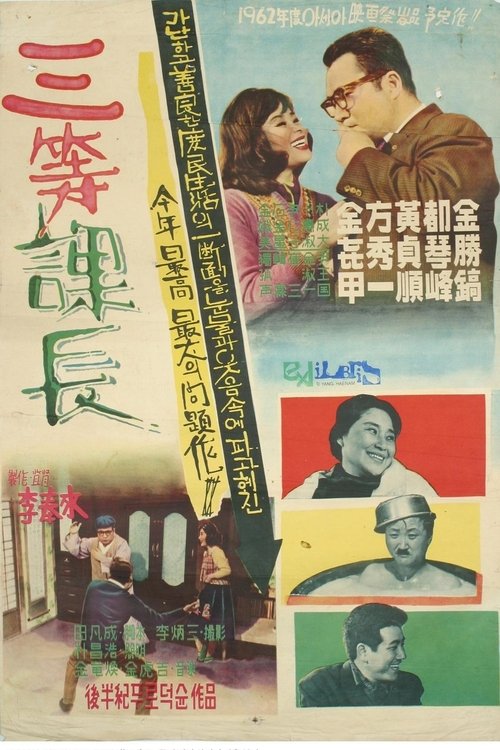







Two brothers—Chul-ho, an accountant with a toothache and a pregnant wife, and Yong-ho, an unemployed ex-soldier wounded in battle—navigate life in post-war Korea.

Cheol-ho
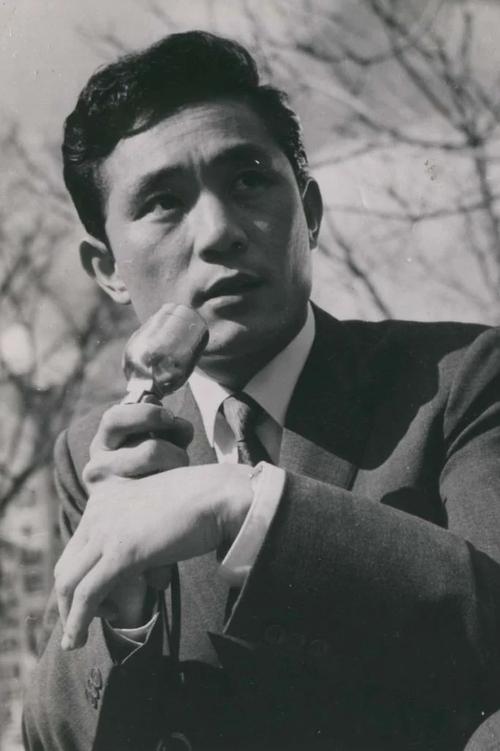
Yeong-ho

Myung-sook

Miri

Mother

Wife

Acting
Madame

Old Man

Acting

Dentist

Acting

Acting

Veteran

Production
Acting
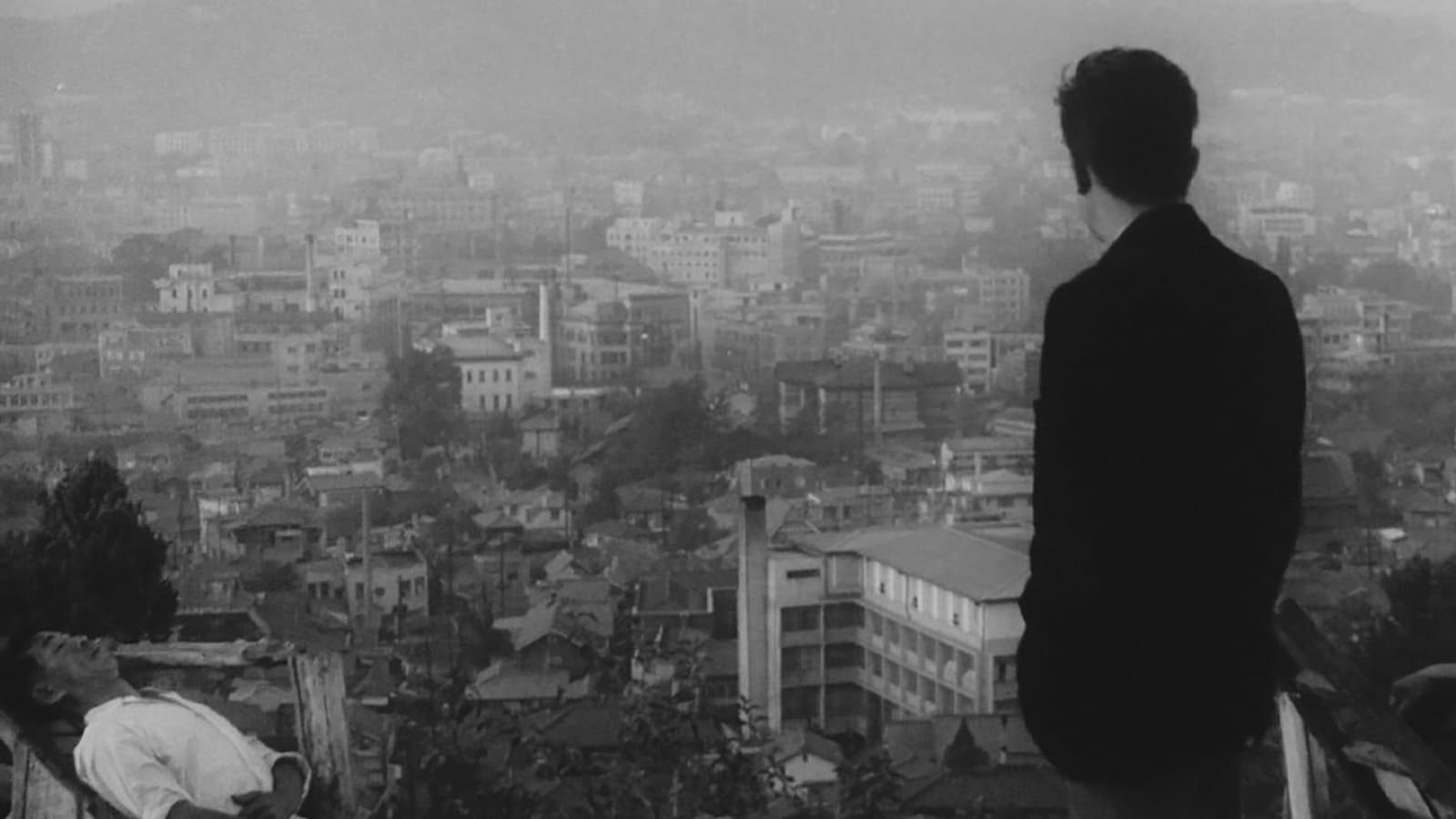
I’m struck by how Yoo Hyun-mok fuses Italian Neorealism with a distinctly Korean sense of moral paralysis, creating a portrait of post-war despair that still feels uncomfortably present. The film’s cramped interiors, handheld street scenes, and jarring cuts trap the viewer inside the same psychological claustrophobia that consumes its characters. Rather than depicting dramatic collapse, Obaltan shows a slow erosion—lives quietly worn down by debt, trauma, and a social order struggling to rebuild on spiritual ruins. Its bleakness isn’t decorative; it functions as a diagnosis, an autopsy of a society trying to move forward while still bleeding internally. What fascinates me is how the aesthetic mix of documentary immediacy and expressionist anxiety makes even brief moments of hope feel intrusive, almost inappropriate.
April 13, 1961
Cheol-ho
Yeong-ho
Myung-sook
Miri
Mother
Wife
Acting
Madame
Old Man
Acting
Dentist
Acting
Acting
Veteran
Production
Acting
I’m struck by how Yoo Hyun-mok fuses Italian Neorealism with a distinctly Korean sense of moral paralysis, creating a portrait of post-war despair that still feels uncomfortably present. The film’s cramped interiors, handheld street scenes, and jarring cuts trap the viewer inside the same psychological claustrophobia that consumes its characters. Rather than depicting dramatic collapse, Obaltan shows a slow erosion—lives quietly worn down by debt, trauma, and a social order struggling to rebuild on spiritual ruins. Its bleakness isn’t decorative; it functions as a diagnosis, an autopsy of a society trying to move forward while still bleeding internally. What fascinates me is how the aesthetic mix of documentary immediacy and expressionist anxiety makes even brief moments of hope feel intrusive, almost inappropriate.